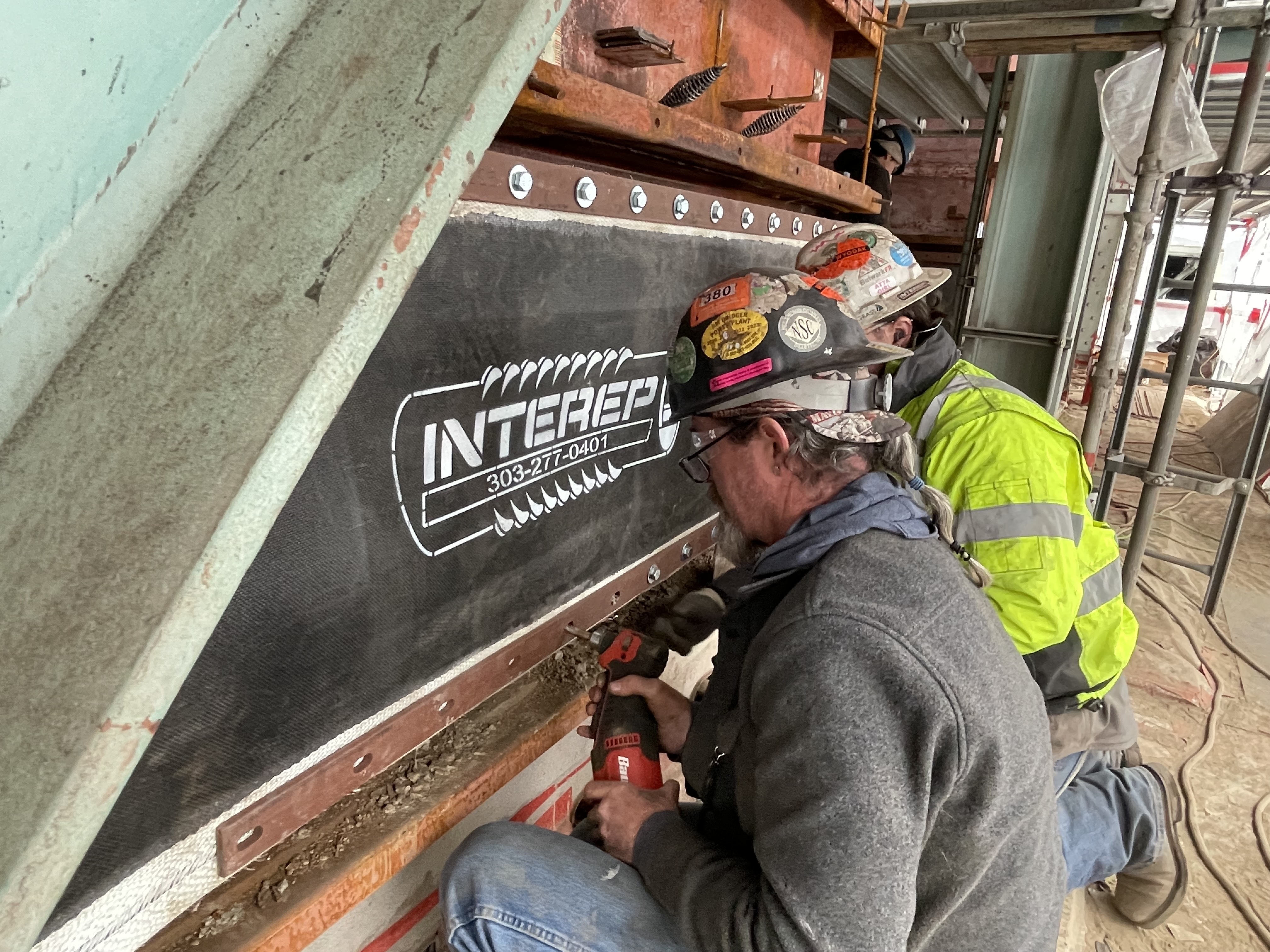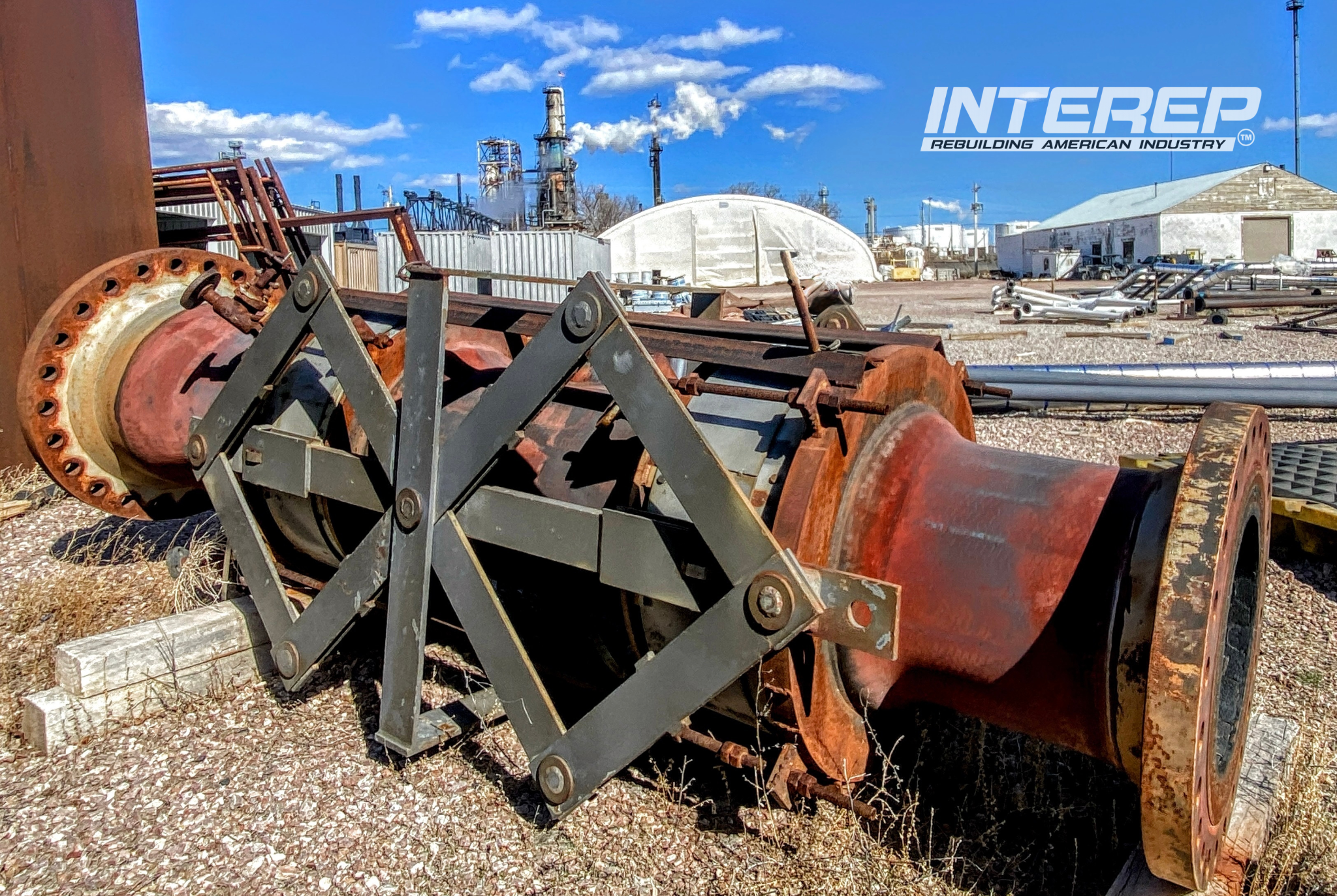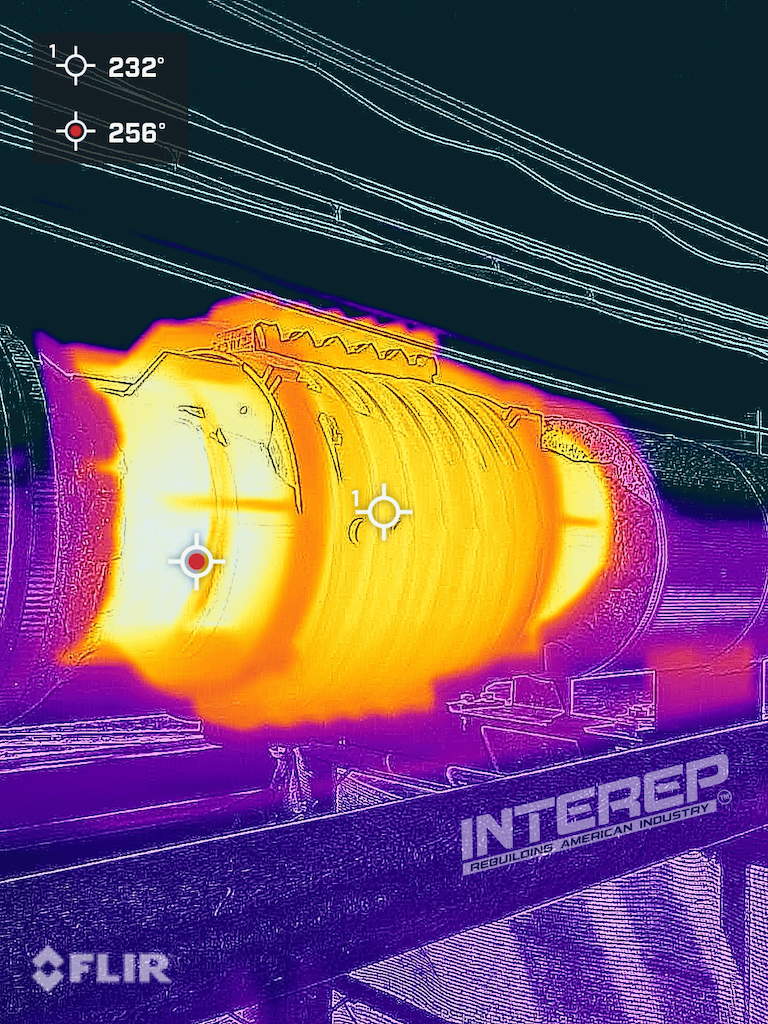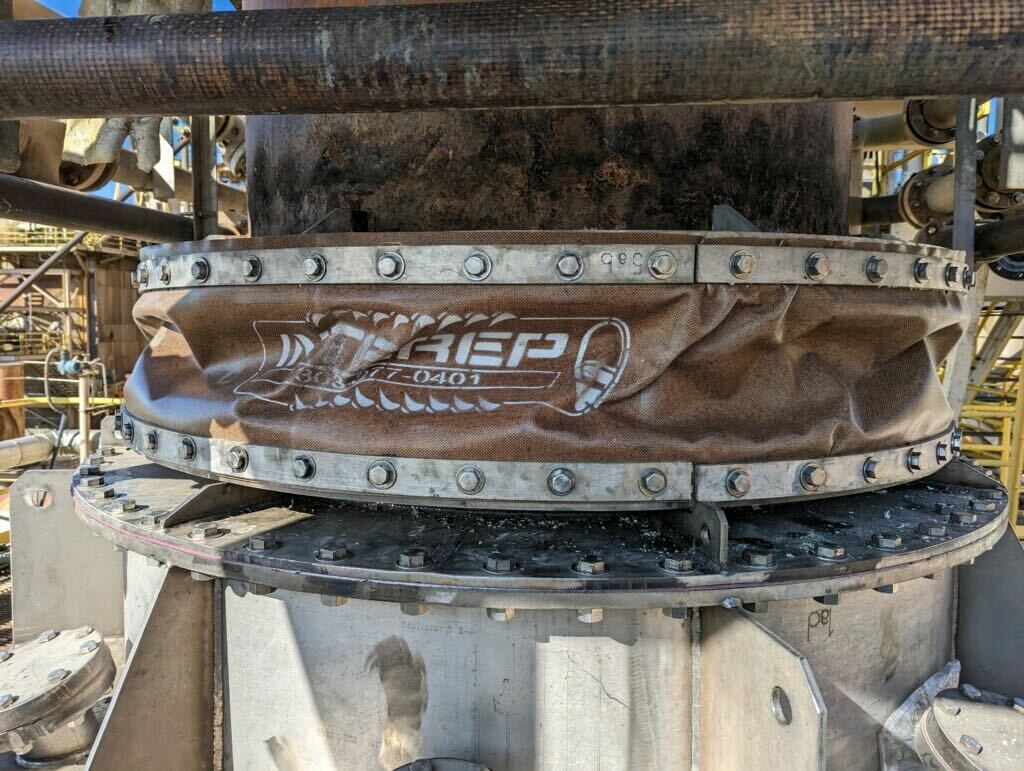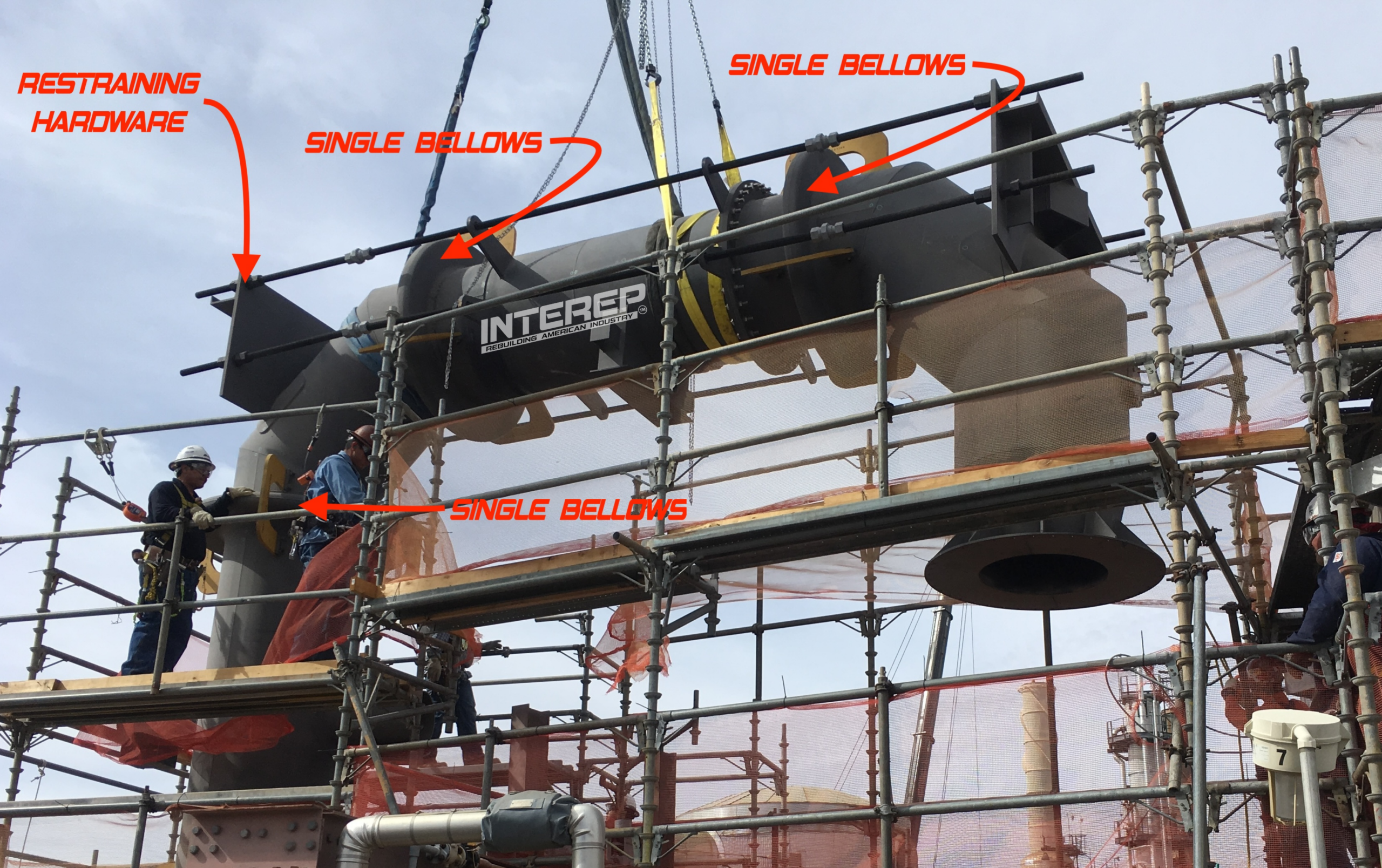
Coal-fired power plants are known for their high-energy output, but they also require frequent maintenance and upgrades to operate at peak efficiency. One key area that often requires attention is the air heater inlet duct. Over time, these ducts can become worn and rusty, which can negatively impact efficiency and increase downtime. However, with the use of modern fabric expansion joints, power plant operators can achieve improved efficiency and longevity. What is a Fabric Expansion Joint? A fabric expansion joint is a flexible element that can be used to compensate for movement, misalignment, and vibration in duct systems. These joints are typically made from layers of high-strength fabrics, such as fiberglass or Kevlar, which are coated with specialized compounds to resist heat, moisture, and chemicals. They can be designed to withstand extreme temperatures, pressures, and other environmental conditions. Why Upgrade Air Heater Inlet Ducts with Fabric Expansion Joints? Air heater inlet ducts play a critical role in the combustion process by preheating the air that is used to fuel the boiler. If these ducts are worn or damaged, they can leak air, which can reduce efficiency and increase emissions. Additionally, worn ducts can be more susceptible to corrosion and other forms of damage, which can shorten their lifespan and increase maintenance costs. By upgrading air heater inlet ducts with fabric expansion joints, power plant operators can achieve several benefits, including: Improved Efficiency: Fabric expansion joints can help to minimize air leakage, which can improve combustion efficiency and reduce emissions. By maintaining a consistent flow of preheated air, fabric expansion joints can also help to prevent hot spots and other thermal imbalances. Increased Longevity: Fabric expansion joints are designed to withstand extreme temperatures, pressures, and other environmental conditions. As a result, they can provide longer service life than traditional metal expansion joints or welded joints, which can be prone to corrosion and other forms of damage. Reduced Maintenance Costs: By reducing the need for frequent repairs and replacements, fabric expansion joints can help to reduce maintenance costs and downtime. They can also be designed to allow for easier inspection and maintenance, further reducing the overall cost of ownership. Upgrading air heater inlet ducts with fabric expansion joints can provide significant benefits to power plant operators. By improving efficiency and longevity, fabric expansion joints can help to reduce emissions, increase productivity, and save money in the long run. For power plants looking to improve their operations and reduce their environmental impact, fabric expansion joints are a smart investment.

By |2023-05-17T20:20:29+00:00May 15, 2023|Projects|Comments Off on Coal-fired power plants are known for their high-energy output, but they also require frequent maintenance and upgrades to operate at peak efficiency. One key area that often requires attention is the air heater inlet duct. Over time, these ducts can become worn and rusty, which can negatively impact efficiency and increase downtime. However, with the use of modern fabric expansion joints, power plant operators can achieve improved efficiency and longevity. What is a Fabric Expansion Joint? A fabric expansion joint is a flexible element that can be used to compensate for movement, misalignment, and vibration in duct systems. These joints are typically made from layers of high-strength fabrics, such as fiberglass or Kevlar, which are coated with specialized compounds to resist heat, moisture, and chemicals. They can be designed to withstand extreme temperatures, pressures, and other environmental conditions. Why Upgrade Air Heater Inlet Ducts with Fabric Expansion Joints? Air heater inlet ducts play a critical role in the combustion process by preheating the air that is used to fuel the boiler. If these ducts are worn or damaged, they can leak air, which can reduce efficiency and increase emissions. Additionally, worn ducts can be more susceptible to corrosion and other forms of damage, which can shorten their lifespan and increase maintenance costs. By upgrading air heater inlet ducts with fabric expansion joints, power plant operators can achieve several benefits, including: Improved Efficiency: Fabric expansion joints can help to minimize air leakage, which can improve combustion efficiency and reduce emissions. By maintaining a consistent flow of preheated air, fabric expansion joints can also help to prevent hot spots and other thermal imbalances. Increased Longevity: Fabric expansion joints are designed to withstand extreme temperatures, pressures, and other environmental conditions. As a result, they can provide longer service life than traditional metal expansion joints or welded joints, which can be prone to corrosion and other forms of damage. Reduced Maintenance Costs: By reducing the need for frequent repairs and replacements, fabric expansion joints can help to reduce maintenance costs and downtime. They can also be designed to allow for easier inspection and maintenance, further reducing the overall cost of ownership. Upgrading air heater inlet ducts with fabric expansion joints can provide significant benefits to power plant operators. By improving efficiency and longevity, fabric expansion joints can help to reduce emissions, increase productivity, and save money in the long run. For power plants looking to improve their operations and reduce their environmental impact, fabric expansion joints are a smart investment.

Performance and longevity of an expansion joint (EJ) areaffected by storage & environmental conditions. While most forms of environmental attack will have little effect upon a typical EJ while in storage, they are susceptible to accidental damage and storage best-practices must be followed in order to avoid plant-process issues after installation. Contact us for a storage guide, link in bio! #expansionjoints #industrialplants #industrialparts

By |2021-09-26T20:55:03+00:00August 23, 2021|Instagram, Projects|Comments Off on Performance and longevity of an expansion joint (EJ) areaffected by storage & environmental conditions. While most forms of environmental attack will have little effect upon a typical EJ while in storage, they are susceptible to accidental damage and storage best-practices must be followed in order to avoid plant-process issues after installation. Contact us for a storage guide, link in bio! #expansionjoints #industrialplants #industrialparts

Does your brickwork have expansion joints in it? Often, they’re made of Viton Rubber, which can handle acid well, but if you wash your acid down with water, you create hot acid due to the exothermic reaction the two substances produce, no rubber expansion joint can handle hot acid. Have INTEREP come out if you’ve had an upset event in your acid area recently, we’ll help you make sure your flooring expansion joints are holding up well, and help you avoid needed to do structural concrete repair work beneath your brick pad.

By |2021-08-02T14:18:41+00:00August 2, 2021|Instagram, Projects|Comments Off on Does your brickwork have expansion joints in it? Often, they’re made of Viton Rubber, which can handle acid well, but if you wash your acid down with water, you create hot acid due to the exothermic reaction the two substances produce, no rubber expansion joint can handle hot acid. Have INTEREP come out if you’ve had an upset event in your acid area recently, we’ll help you make sure your flooring expansion joints are holding up well, and help you avoid needed to do structural concrete repair work beneath your brick pad.

No drawings? No problem. Need a part for your plant, but its custom engineered and the drawings are nowhere to be found? INTEREP will show up and reverse engineer your expansion joints, dampers, or fans. Yet another reason to keep INTEREP on speed dial!

By |2021-07-23T00:06:00+00:00July 23, 2021|Instagram, Projects|Comments Off on No drawings? No problem. Need a part for your plant, but its custom engineered and the drawings are nowhere to be found? INTEREP will show up and reverse engineer your expansion joints, dampers, or fans. Yet another reason to keep INTEREP on speed dial!

Finishing up a Dynawave scrubber inlet liner that we built out of FRP with a dual-laminate layer of ECTFE inside. This process sees hot gas, fluorides, and sulfur, so it eats pretty much any alloy out there. We needed to get something in there that could handle abrasives and still see temperatures around 300F from time to time. Next step is to get on-site and make sure that the Dynawave quenching weir is working properly so we don’t get any hot spots

By |2021-07-07T16:25:07+00:00July 7, 2021|Instagram, Projects|Comments Off on Finishing up a Dynawave scrubber inlet liner that we built out of FRP with a dual-laminate layer of ECTFE inside. This process sees hot gas, fluorides, and sulfur, so it eats pretty much any alloy out there. We needed to get something in there that could handle abrasives and still see temperatures around 300F from time to time. Next step is to get on-site and make sure that the Dynawave quenching weir is working properly so we don’t get any hot spots